Frequently Asked Questions

Get answers to common questions about protecting your timber structures from termites in Singapore

Chemical barriers create a protective zone around timber structures using liquid termiticides applied to soil or directly onto wood surfaces. This method forms an immediate defensive perimeter that kills termites on contact or repels them from treated areas. The treatment typically lasts 5-10 years depending on soil conditions and product quality. Baiting systems work differently by using monitoring stations placed around your property that contain cellulose materials attractive to termites. Once activity is detected, toxic baits are introduced that worker termites carry back to their colony, gradually eliminating the entire population including the queen. While chemical treatments provide instant protection, baiting systems target the source of infestation and can eliminate entire colonies within 3-6 months. Many homeowners in Bukit Timah and Holland Village choose a combination approach for comprehensive coverage.

The duration of protection depends on the treatment method and environmental factors. Chemical treatments applied to roof trusses during construction typically last 10-15 years when properly applied in controlled environments. For existing structures, surface treatments may need renewal every 3-5 years. Timber decking faces more challenges due to exposure to rain, humidity, and foot traffic, requiring reapplication every 2-4 years. Singapore's tropical climate with high humidity and frequent rainfall can reduce treatment longevity. Baiting systems require ongoing monitoring with station checks every 3 months, but once a colony is eliminated, the protection continues as long as stations remain active. Regular inspections are essential regardless of treatment type. Properties in areas like Sentosa Cove with waterfront exposure may need more frequent assessments due to higher moisture levels that attract termites.

Modern termiticides approved by the National Environment Agency (NEA) in Singapore have undergone rigorous safety testing. Products containing active ingredients like bifenthrin or fipronil are designed to target insects specifically while posing minimal risk to mammals when applied correctly. Professional application is crucial for safety. Licensed technicians follow strict protocols including proper dilution rates, application methods, and drying times. For roof trusses in enclosed attic spaces, exposure risk is minimal as these areas have limited human access. Timber decking treatments require a curing period of 24-48 hours before the area is safe for regular use. During this time, keep children and pets away from treated surfaces. Baiting systems offer an alternative with lower chemical exposure since toxicants are contained within tamper-resistant stations. The bait matrix only affects termites that consume it. For families in residential areas like Serangoon or Tampines seeking extra peace of mind, baiting systems provide effective control with reduced chemical presence in living spaces.

While DIY products are available at hardware stores, professional treatment offers significant advantages. Proper diagnosis is the first challenge—identifying termite species, extent of infestation, and entry points requires training and experience. Subterranean termites common in Singapore behave differently than drywood species, requiring different treatment strategies. Professional applicators have access to commercial-grade products with higher efficacy than consumer versions. They also possess specialized equipment for thorough application, including injection systems for treating internal wood structures and sprayers that ensure even coverage. Warranty protection is another key benefit. Licensed pest control companies typically provide 1-3 year warranties covering retreatment if termites return. DIY treatments void this protection. For roof trusses, professional access and safety equipment are essential when working at height. The investment in professional service typically ranges from SGD 800-2,500 depending on property size and treatment complexity, which includes inspection, treatment, and follow-up monitoring—a comprehensive approach difficult to replicate independently.

Early detection prevents extensive damage. Visual indicators include mud tubes on walls or foundations—these pencil-thick tunnels protect termites as they travel between soil and wood. On timber decking, look for hollow-sounding boards when tapped, surface blistering, or wood that crumbles easily when probed with a screwdriver. Discarded wings near windows or doors indicate swarming activity, typically occurring after rain when reproductive termites establish new colonies. For roof trusses, check for sagging ceilings, small holes in drywall, or visible frass (termite droppings) that resemble sawdust or coffee grounds. Moisture problems often accompany infestations—water stains, peeling paint, or excessive humidity in attics create ideal conditions. During Singapore's monsoon season from November to January, increased moisture levels make structures more vulnerable. Properties in mature estates like Katong or Tiong Bahru with older timber construction should have annual inspections. If you notice any of these signs, immediate professional assessment is recommended to determine treatment urgency and prevent structural compromise.

Cost-effectiveness depends on your specific situation and timeline. Chemical barriers have higher upfront costs, typically SGD 1,200-3,000 for initial treatment of an average HDB flat or landed property, but require less frequent maintenance. Reapplication every 5-7 years adds SGD 800-1,500 per treatment cycle. Over a 15-year period, total investment might reach SGD 3,500-6,000. Baiting systems have lower initial installation costs of SGD 800-1,800, but require ongoing monitoring fees of SGD 150-300 quarterly, totaling SGD 600-1,200 annually. Over 15 years, this amounts to SGD 9,800-19,800 including installation. However, baiting systems eliminate entire colonies rather than just creating barriers, potentially preventing future infestations more effectively. For new construction, pre-treatment with chemicals during building phase offers best value at SGD 500-1,000. Properties with active infestations benefit from baiting systems that target existing colonies. Many homeowners in areas like Clementi or Jurong West find that combining initial chemical treatment with ongoing baiting monitoring provides optimal protection and long-term value, balancing immediate defense with colony elimination.

Still Have Questions?

Our termite protection specialists are ready to provide personalized advice for your property

Contact Us Today

About Powerroute

Since our establishment in Singapore, we've focused on protecting structural timber from termite damage through scientifically-backed treatment methods.

Termite protection specialists at work

Powerroute began when a group of pest management specialists in Singapore recognized the growing need for effective termite control in timber structures. With subterranean termites being a persistent threat to wooden decking and roof trusses in our tropical climate, we set out to provide property owners with reliable protection options.

Our foundation was built on a simple principle: property owners deserve access to both chemical barrier treatments and baiting systems, with clear information about what each method actually delivers. We invested in training our technicians in both approaches, studying termite behavior patterns specific to Singapore's conditions, and establishing partnerships with manufacturers of proven treatment products.

Our Mission

We provide timber termite protection services using chemical treatments and baiting systems. Our work involves thorough inspections, accurate identification of termite species, and application of appropriate control methods based on each structure's specific requirements.

Experience and Capabilities

Our team includes 12 licensed pest control technicians who conduct an average of 180 timber structure treatments annually. We work with decking materials including balau, chengal, and treated pine, as well as roof truss systems in both residential and commercial buildings across Singapore.
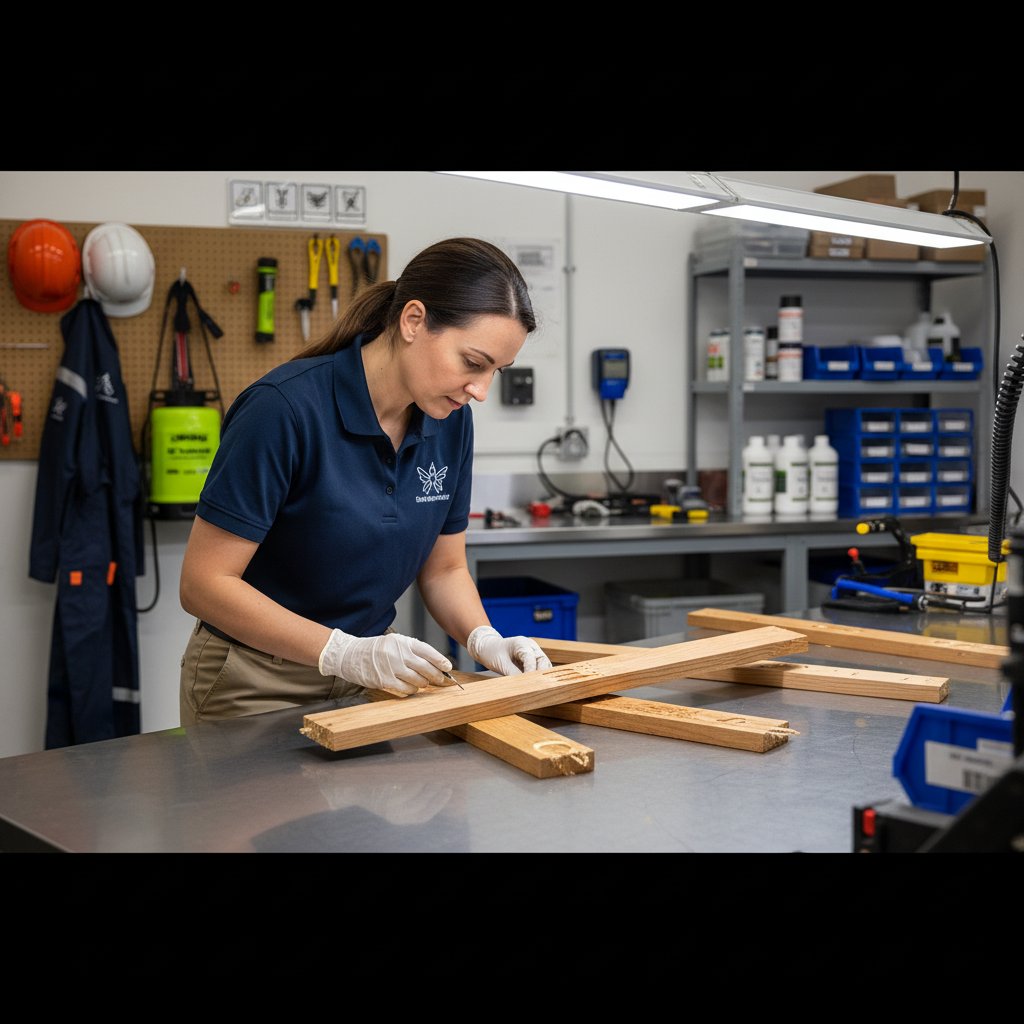
Timber decking termite treatment

Each technician completes 40 hours of annual training covering termite biology, treatment application techniques, and safety protocols. We use termiticides approved by Singapore's National Environment Agency and maintain detailed treatment records for every property we service.

For chemical barriers, we apply liquid termiticides around and beneath timber structures, creating zones that termites cannot cross. Baiting systems involve installing monitoring stations that attract termites to treated cellulose, which they carry back to their colonies. We conduct follow-up inspections every 3-6 months depending on the method used.

Technical Accuracy

We apply treatments according to manufacturer specifications and NEA guidelines, using calibrated equipment for precise application rates.

Transparent Service

Every inspection includes a written report detailing termite activity, treatment options, and realistic timeframes for results.

Ongoing Support

We schedule regular monitoring visits and provide property owners with access to their treatment history and inspection records.

Safety Standards

All technicians wear proper protective equipment and follow established safety procedures during treatment application.

Our Track Record

Since 2015, we've completed termite protection treatments for timber structures throughout Singapore, from HDB developments in Tampines and Jurong to private homes in Bukit Timah and commercial properties in the CBD.

1,800+ Structures Protected
12 Licensed Technicians
480 Annual Training Hours